







 CEO Corner
 HCP Corner




Pharma HCP Engagement: Key Takeaways
- Healthcare professional (HCP) engagement refers to how pharmaceutical companies share clinical knowledge with medical specialists to support patient care
- Unlike HCP promotion, HCP engagement focuses on education, scientific exchange, and personalized information
- Successful pharma HCP engagement builds trusted relationships by delivering relevant medical information through multiple channels
- Pharma teams must understand the full HCP journey to engage healthcare professionals effectively at every stage
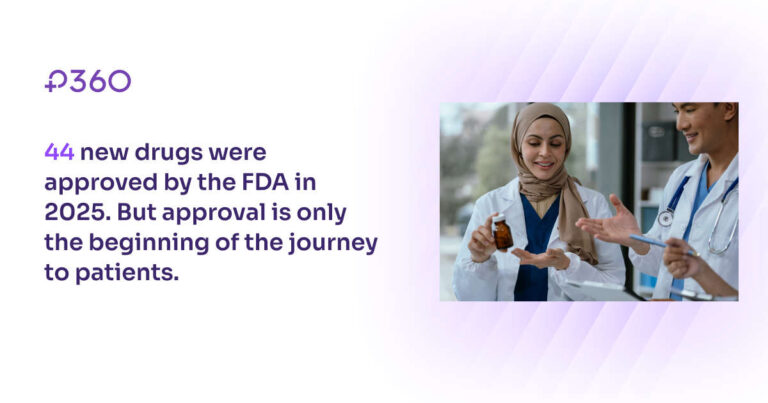
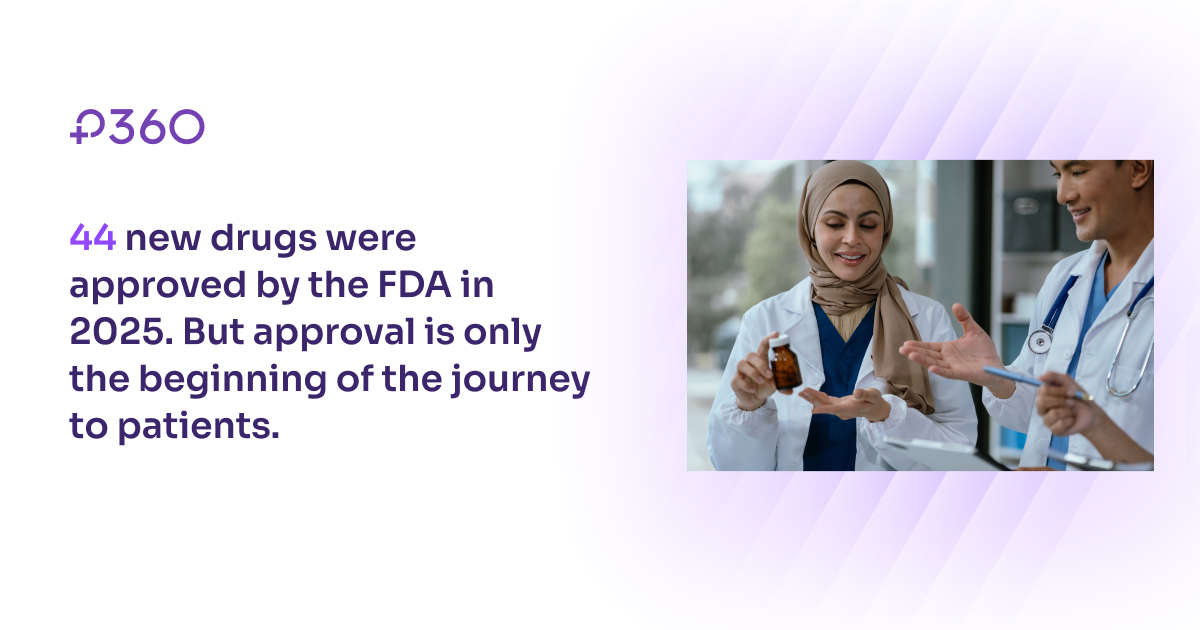
The U.S. Food and Drug Administration approved 44 new drugs in 2025 alone, which reflects how fast the pharmaceutical industry is developing.
But bringing a drug to the market is only the beginning. For these treatments to reach patients, healthcare professionals must get accurate and timely medical information.
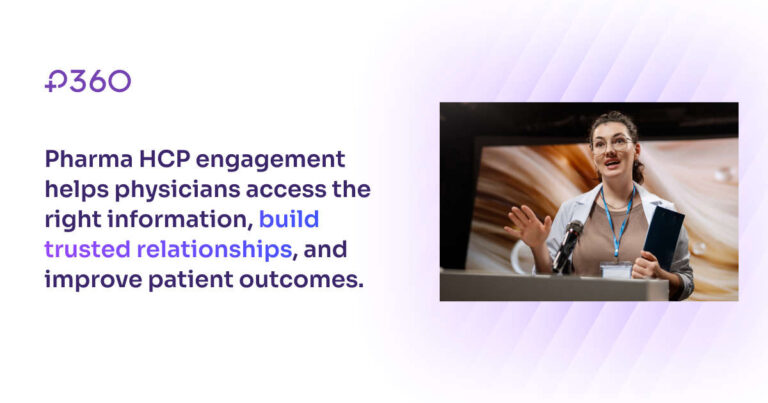
This is where pharma HCP engagement becomes critical, providing physicians with information they can trust when evaluating new therapies.
We’ll explore:
- HCP engagement meaning in the pharmaceutical industry
- How it differs from traditional pharmaceutical promotion
- The importance of HCP engagement matters in today’s healthcare environment
- The core elements of effective pharma HCP engagement
- The stages in the end-to-end HCP journey
HCP Engagement Explained
In pharma, HCP engagement describes how companies communicate with healthcare professionals, including physicians, nurses, pharmacists, and other specialists.
This interaction helps deliver better patient care by focusing on:
- Sharing relevant clinical and scientific information
- Supporting treatment decisions with accurate data
Modern HCP customer engagement uses various communication channels, including:
- Scientific content and medical education
- Field representative interactions
- Digital messaging and virtual meetings
- Conferences and webinars
When done well, HCP engagement creates meaningful communication and helps pharma teams build long-term professional relationships with physicians.
HCP Engagement vs. Promotion: What’s the Difference?
HCP engagement is often confused with traditional pharmaceutical promotion, but while both involve communication between pharma companies and healthcare professionals, they serve different purposes.
Pharmaceutical Promotion
Traditional promotion usually centers on a specific product, highlighting its clinical benefits and encouraging adoption among physicians.
This can be achieved with the help of:
- Direct interactions to explain clinical benefits, share trial data, and discuss approved indications
- Promotional materials like brochures that summarize clinical evidence and treatment outcomes
- Product marketing campaigns, including email newsletters and digital advertising to share results and raise awareness of a specific pharmaceutical product
HCP Engagement
HCP engagement goes beyond product, emphasizing meaningful interactions in the form of:
- Education and scientific exchange of clinical data, treatment guidelines, research findings, and medical education resources. For instance, pharma companies might share peer-reviewed studies, host expert webinars, or present findings from recent clinical trials, so physicians stay informed about emerging therapies.
- Ongoing communication, which is not limited to one-time interactions but covers multiple touchpoints, such as follow-up discussions with medical science liaisons and updates on new research.
- Personalized information tailored to the medical expert’s specialty, patient population, and clinical interests. For example, an oncologist may receive detailed data about cancer treatment outcomes, while a cardiologist might get information related to cardiovascular therapies.
- Two-way communication, where healthcare professionals don’t only receive information; they can ask questions and provide feedback about treatment challenges so pharma specialists understand real-world needs and can give back accurate and practical information.
Why HCP Engagement Matters in Pharma Today
Today’s healthcare landscape is far more complex than it was a decade ago. Pharma companies must navigate digital transformation, strict regulatory frameworks, and growing expectations.
At the same time, doctors are busier than ever, dealing with large volumes of information on top of their daily work.
Pharma HCP engagement:
Supports Better Patient Outcomes
Accurate, up-to-date medical information can help doctors and medical specialists choose the best therapy for their patients.
Builds Long-Term Trust
Healthcare professionals are more likely to engage with companies that provide useful, credible information while focusing on education and value rather than promotion.
Improves Communication
When communication is personalized according to specialty, interests, and clinical needs, healthcare professionals access what matters most to their practice.
The Core Elements of Effective Pharma HCP Engagement
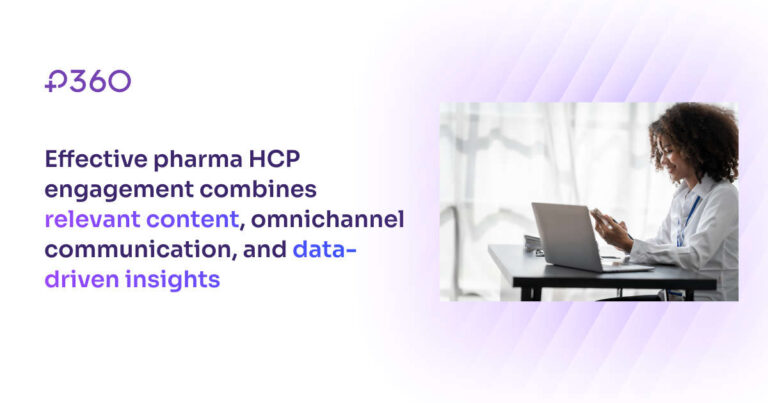
Strong pharma HCP engagement strategies combine the right technology with meaningful content and a clear understanding of physician needs.
Relevant Content
Meaningful educational materials help healthcare professionals stay informed about clinical data, treatment guidelines, and emerging therapies.
Omnichannel Communication
Effective HCP customer engagement works across multiple channels at the same time, including field representatives, digital platforms, virtual events, and other messaging tools.
Personalization
Engagement leads to better response rates when it’s based on the professional field of expertise, practice environment, and interests.
Compliance and Transparency
All HCP engagement pharma interactions must follow strict regulatory guidelines to ensure ethical communication.
Data-Driven Insights
Analytics reveal which content physicians interact with most, which channels perform best, and how engagement evolves over time.
Mapping and Orchestrating the End-to-End HCP Journey
To ensure that healthcare professionals receive the right information at the right time, pharma companies must understand the stages through which healthcare professionals typically move when learning about new treatments or medical innovations.
Awareness
The journey usually begins when physicians first hear about a therapy. This often happens through conference presentations, journal publications, or webinars.
For example, a cardiologist might first hear about a new heart failure therapy through a presentation at a medical congress.
Information Gathering
Once they’ve heard about a therapy or clinical development, HCPs often look for more detailed information to understand if it’s relevant to their practice.
During this time, they may search for clinical trial data summaries or medical science liaison (MSL) discussions. Think of an oncologist attending a webinar on Phase III clinical trial results to better understand how a new therapy outperforms existing treatments.
Evaluation and Consideration
Now, healthcare professionals must evaluate whether the therapy or information can benefit their patients.
To help them, pharma companies can deliver comparative clinical evidence, treatment guidelines and safety information along with real-world case studies.
Adoption and Implementation
If the therapy appears clinically relevant, physicians may begin integrating it into their practice.
At this stage, HCP customer engagement may include:
- Treatment protocols and patient selection guidance
- Educational materials for patients
- Follow-up discussions with medical teams
Ongoing Relationship and Communication
Adopting the new therapy doesn’t mean pharma HCP engagement ends. Healthcare professionals rely on extra support in the form of updated research, safety information, and new clinical insights.
At this stage, HCP companies can invite them to expert panels or advisory boards or organize follow-up discussions with medical science liaisons. The result is continuous knowledge exchange and building long-term relationships.
Transform HCP Engagement With P360
Many pharma teams struggle with fragmented tools, siloed data, and strict compliance requirements, making coordinated pharma HCP engagement difficult.
P360 addresses these challenges, bringing communication, compliance, and engagement intelligence within a single platform.
Reaching HCPs Through Familiar Channels
Modern healthcare professionals prefer fast, convenient communication channels. P360 enables pharma teams to engage HCPs through familiar tools such as SMS, WhatsApp, voice, and video.
This hassle-free approach makes it easier for HCPs to access important clinical information and respond quickly when they have questions.
In-Built Compliance
Unlike traditional systems that rely on manual reviews or policy monitoring, P360 has compliance controls embedded directly into the platform architecture.
This helps spot potential violations before they occur and ensures that engagement meets regulatory requirements.
Real-Time Engagement Insights
Understanding how healthcare professionals interact with content is key for improving engagement strategies. P360 allows pharma teams to track engagement and measure performance in real time, so they know what works best and what needs to be optimized.
AI That Supports Pharma Teams
The platform uses AI models trained on approved clinical and regulatory data. This facilitates workflow automation and scaling while maintaining compliance.
Proven Results Across Global Pharma Organizations
Today, pharmaceutical companies in more than 50 countries use P360 to support their HCP engagement strategies.
HCP Engagement in Pharma: FAQs
What is pharma HCP engagement?
HCP engagement in pharma involves building ongoing professional relationships with healthcare professionals through education, scientific exchange, and personalized communication.
Why is HCP engagement important?
Effective pharma HCP engagement helps healthcare professionals access reliable medical information, make informed treatment decisions, and ultimately improve patient care.
What are common HCP engagement channels?
Common HCP engagement pharma channels include medical conferences, webinars, scientific publications, meetings with medical science liaisons, digital messaging, and educational resources.